Children, Youth and Family
Avanti Center
Healing through a therapeutic living approach, where every moment matters
The Avanti Difference
The Avanti Therapeutic Living Approach is an integrative developmental intervention framework that challenges traditional residential philosophies. Therapeutic change occurs through structured daily experiences, relationships, environmental design, family engagement, and individualized interventions delivered within a therapeutic community. We believe that residential “treatment” requires consistent intervention outside of therapy sessions and scheduled activities, and that every relationship, every interaction and every moment matters.
Safety
Regulation
Connection
Development
Healing
Growth
For More Information
For information on our programs, or to inquire about submitting a referral, please contact YRS Referral Coordinator, Sara Ellis:
Phone: 763-252-4541
Email: sara.ellis@voamn.org
Fax: 888-965-5125
Address:
10300 Flanders Street NE
Blaine, MN 55449
Office Hours:
Monday through Friday 8:00am – 4:00pm
Valuing Family and Care Team Voice
Families, caregivers, and other supportive adults play a vital role in each youth’s journey. Avanti partners with external care team members, whoever they may be, and encourages their active participation and voice in all residential care and services. Each youth care team has access to our Family Peer Support Specialist from pre-admission through transition, and into aftercare.
Avanti offers various family support services through our Certified Family Peer Specialists. Participation in the family support programing is voluntary, and related services may include:
- Preadmission connection and support
- Family Assessment and Support Plan
- Financial Assistance to support family involvement
- Family Support Groups
- Advocacy
- Resource Linkage and Referrals
- Transition Planning Support
- Aftercare Support
Helping adolescents find a path forward
Everyone needs help sometimes and seeking help is a sign of resiliency and strength. Families often come to Avanti for their teenaged loved one after expensive outpatient therapy, and sometimes hospitalization after suicide attempts and self-harming behaviors.
Avanti’s staff are experts at building well-being and helping residents break through barriers that they’ve built up inside themselves for protection after trauma which now keep them from seeing their path forward.
Avanti offers a treatment program designed to meet the needs of the resident. When possible, families play a large role in the treatment model and are supported in their contributions to help their loved one recover.
Every person is unique, which is why we never use a one-size-fits-all approach. At Avanti we work with each person to determine what services are needed, create pathways to access needed services, and coordinate with all the individual supports to ensure the services work effectively together.
Services We Provide
Avanti's therapeutic living environment is intentionally designed to promote developmental healing through relationships, regulation, community, and growth. Daily programming and structure within the living environment includes:

Our Avanti team is excited to be partnering with the Minnesota Department of Natural Resources on a project that will incorporate outdoor educational and therapeutic activities to support healing.
Granting Agency: Minnesota Department of Natural Resources
Grant Program: No Child Left Inside
Grant Project Title: Engaging Land and Water as Partners in Healing
Grant Award: $24,095
Grant Period: July 1, 2026 – June 30, 2027
Leadership: Debra Hoffman, debra.hoffman@voamn.org
Grant Project Staff: Zach Zipse, zach.zipse@voamn.org
As per Minnesota Statute 16B.98, Subd. 5(d), organizations receiving grant awards from the State of Minnesota are required to clearly post on the grantee's website the names of, and contact information for, the organization's leadership and the employee or other person who directly manages and oversees the grant for the grantee.
-A former Avanti resident

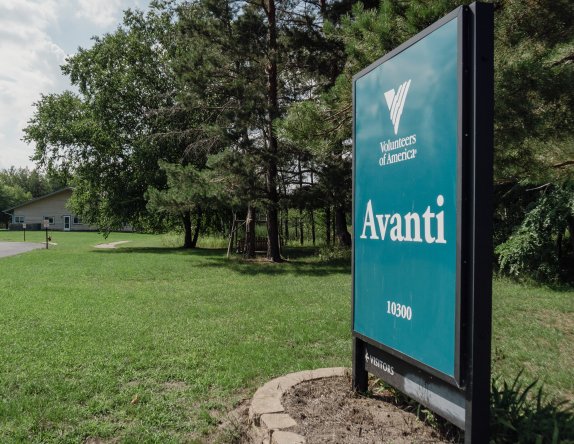
Main Entrance Sign
What you see when you first arrive

Main Program Building
This is where we hold school, meals, therapy sessions and bigger events

Main Lobby
What you will see coming in as a visitor or resident on your first day

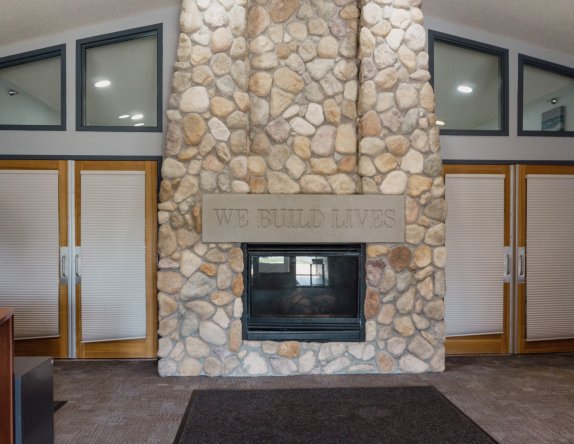
Main Lobby
Our fireplace in the main lobby that says "We Build Lives"

Cafeteria
Where we gather to eat meals, the cafeteria also houses our Wall of Fame with pictures and writings from past residents that successfully completed the treatment program
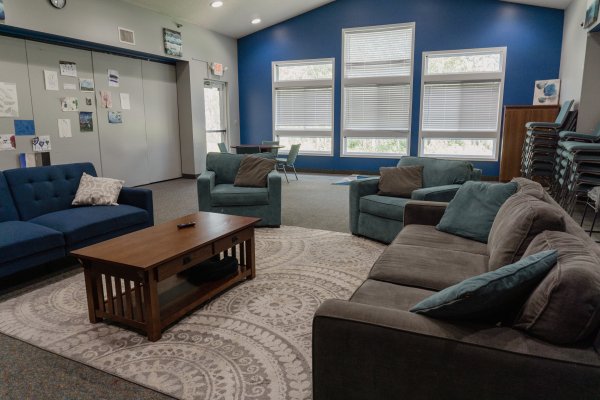
Fireside Room
Where we hold groups, visits, and other activities

Classroom One

Classroom Two

One of our therapist's offices, where individual and family therapy takes place

One of our therapist's offices, where individual and family therapy takes place

Conference Room
This is where intake meetings and other meetings take place
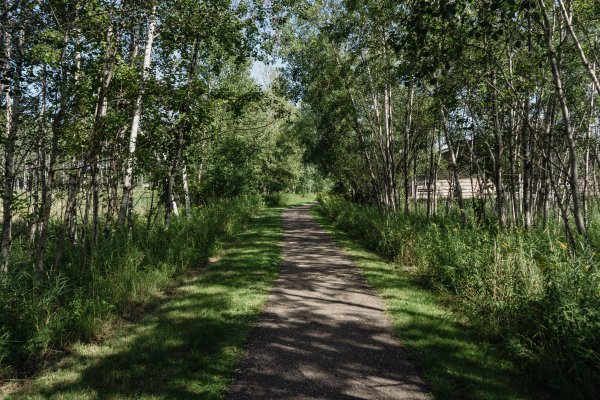
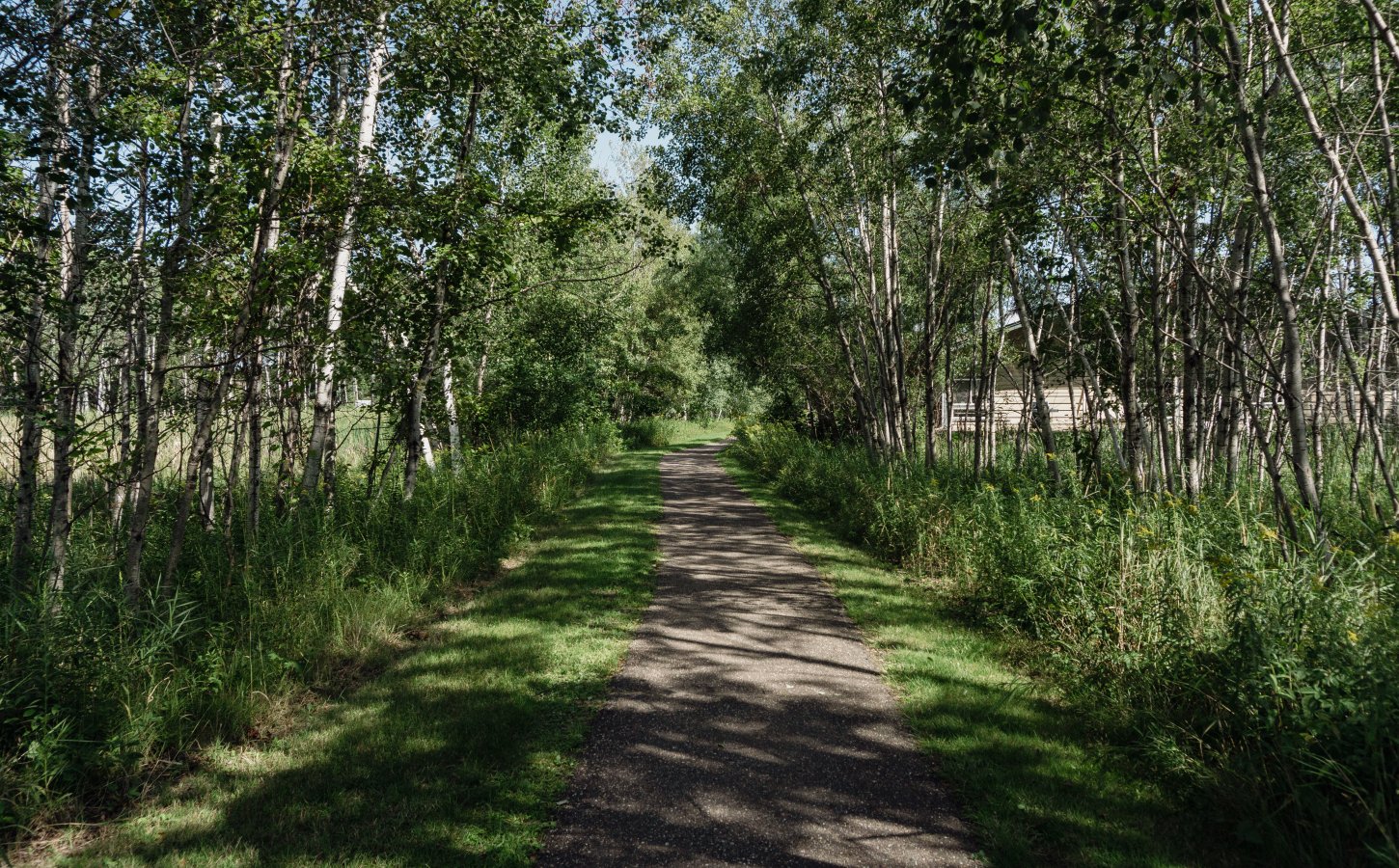
We have walking paths outside that go all the way around the swamp that are used for recreation, therapy, and relaxation

We have walking paths outside that go all the way around the swamp that are used for recreation, therapy, and relaxation

Dorm Building
Where residents have their bedrooms and a lounge, this is where residents spend most of their time outside of school

Upstairs Lounge
This is where we hang out, have game nights or groups

Downstairs Lounge
This is where we hang out, have game nights or groups

Hallway in the Dorm Building
Bedrooms and bathrooms line the hallway

Bathroom

Bedroom
Each room includes two beds, desks and wardrobes to accommodate up to two residents

Bedroom
Each room includes two beds, desks and wardrobes to accommodate up to two residents

Fitness Room

Outdoor Area
Commonly Asked Questions
At Avanti, youth are supported by a highly trained team of professionals who meet or exceed Minnesota licensing and regulatory requirements. Our direct care team includes Residential Counselors (RCs) and Behavioral Health Practitioners (BHPs), each serving an important role within our therapeutic living environment.
Residential Counselors provide day-to-day support, supervision, coaching, and relationship-based interventions that help youth practice coping skills, build healthy relationships, and work toward their individualized goals.
Residential Counselors must:
Behavioral Health Practitioners provide individualized mental health interventions, skills training, behavioral support, and treatment plan implementation under the supervision of licensed mental health professionals.
Under Minnesota law, a Behavioral Health Practitioner must meet specific qualification standards:
All Avanti staff receive ongoing training and coaching in our therapeutic approach, which integrates developmental neuroscience, trauma-responsive care, attachment-based practices, and therapeutic community principles. Staff work closely with licensed therapists, nurses, psychiatric providers, care coordinators, educators, and family support professionals to provide coordinated, youth-centered care.
This team-based approach ensures that every youth benefits from consistent support, meaningful relationships, and individualized interventions designed to promote safety, healing, growth, and long-term success.
At Avanti, both our Residential Intervention (Treatment) and Shelter programs are guided by our Therapeutic Living Approach, which recognizes that healing and growth happen through relationships, experiences, and meaningful engagement throughout each day. We believe therapeutic change occurs through structured daily experiences, supportive relationships, family involvement, and individualized interventions delivered within a therapeutic community.
Rather than viewing treatment as something that only occurs during therapy sessions, we believe that every relationship, every interaction, and every moment matters.
Youth participating in Residential Intervention receive individualized mental health services designed to address emotional, behavioral, and developmental challenges. Treatment plans are developed collaboratively with youth, families, and the interdisciplinary care team and include individualized goals, therapy, psychiatric services, nursing support, skills development, and family engagement.
Youth in Shelter receive a safe, supportive, and structured environment during times of family conflict, housing instability, placement disruption, or other crises. Shelter services focus on stabilization, assessment, skill-building, family engagement, and connection to ongoing supports. While youth may not require the intensity of residential mental health treatment, they benefit from the same therapeutic living environment and relationship-based interventions that promote safety, resilience, and healthy development.
Whether a youth is receiving Residential Intervention or Shelter services, support is organized around six interconnected domains that guide individualized planning and daily interventions:
By integrating trauma-responsive care, evidence-informed practices, family partnership, and therapeutic living, Avanti creates an environment where healing and growth occur throughout the day, not just during scheduled services. Our goal is to help youth build the skills, relationships, and confidence they need to thrive at home, in school, and in their communities.
The length of stay varies based on the pace at which they meet residents meet their individual goals. The average length of stay is from 5.5 to 8.5 months. Discharge is based on the resident successfully completing various standard programming components, as well as meeting individual goals and their readiness to return to a community environment.
The Avanti Center is located on wooded grounds and scenic wetlands, complete with paved walking paths. It is a peaceful and therapeutic environment. The main campus consists of a program building that includes a kitchen, dining hall, recreational and group session areas, a conference room, and various administrative offices. The residents live in a 2-story dormitory style building that includes a lounge on each floor as well as a shared fitness room.
Parents have regular telephone contact with their child’s treatment staff to keep informed of their child’s growth and are encouraged to visit regularly when possible. Progress is also conveyed during regular family therapy sessions. Parents are invited to attend regular formal treatment review meetings that will provide an extensive review of their child’s progress in the program.